THE DOCTOR ON ROUNDS
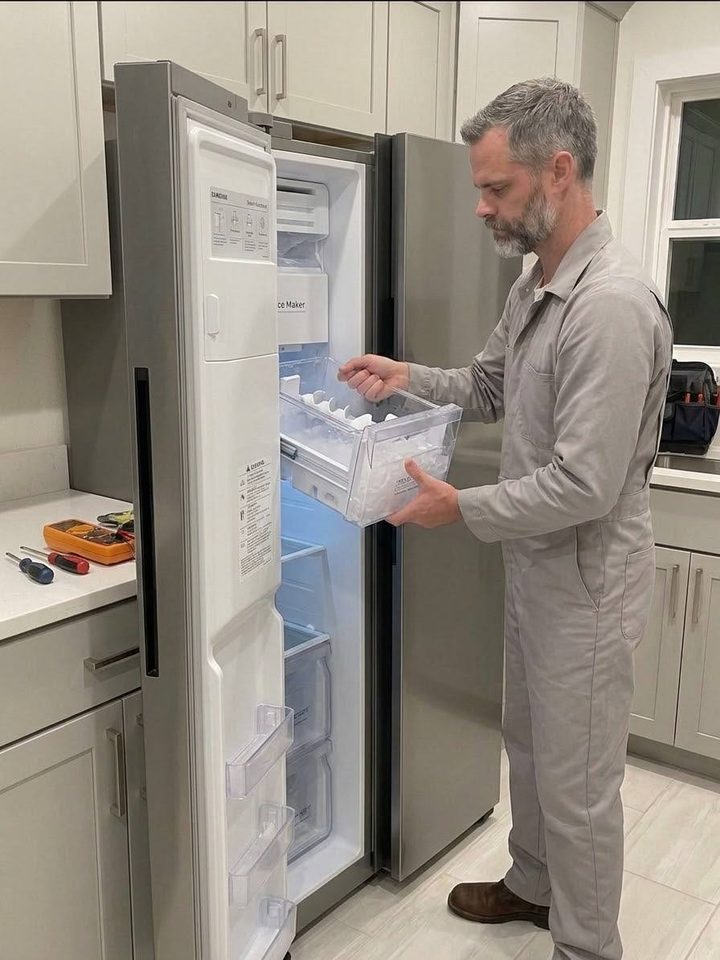
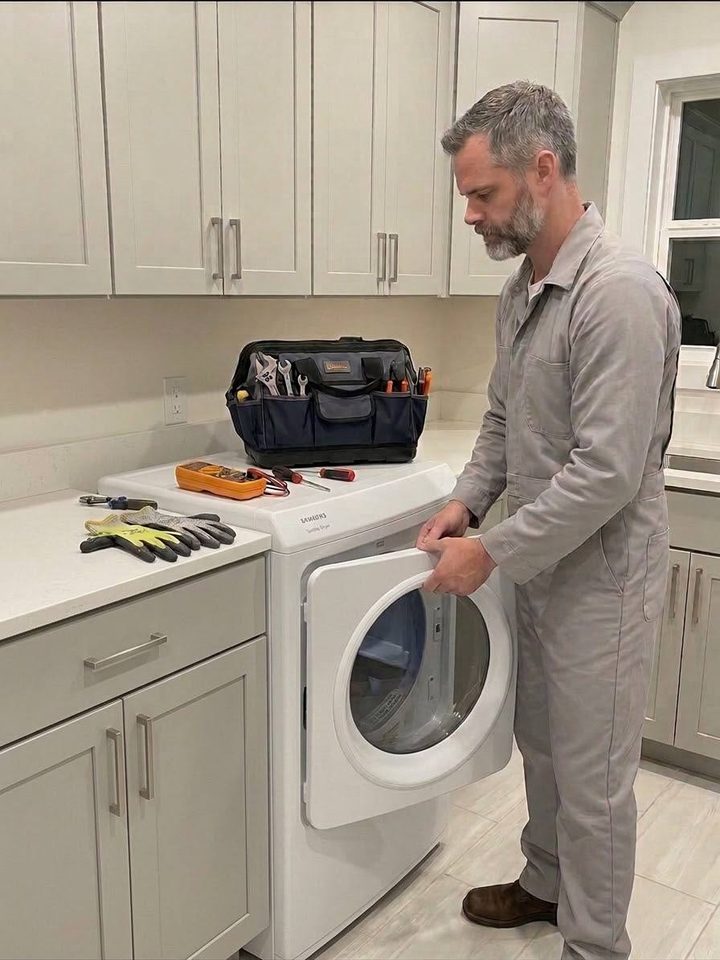
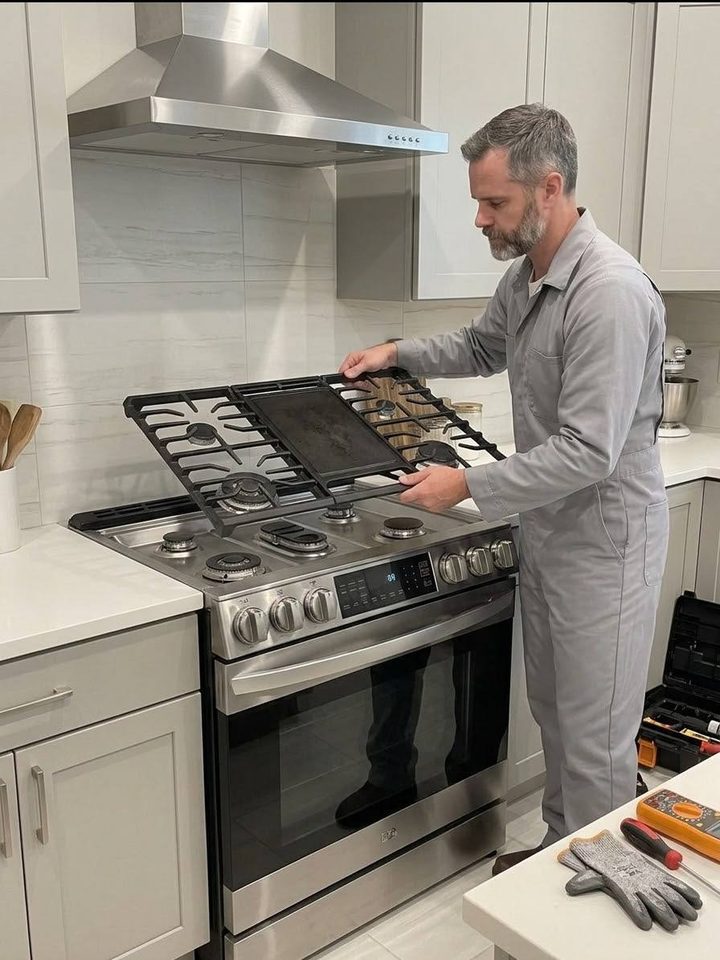
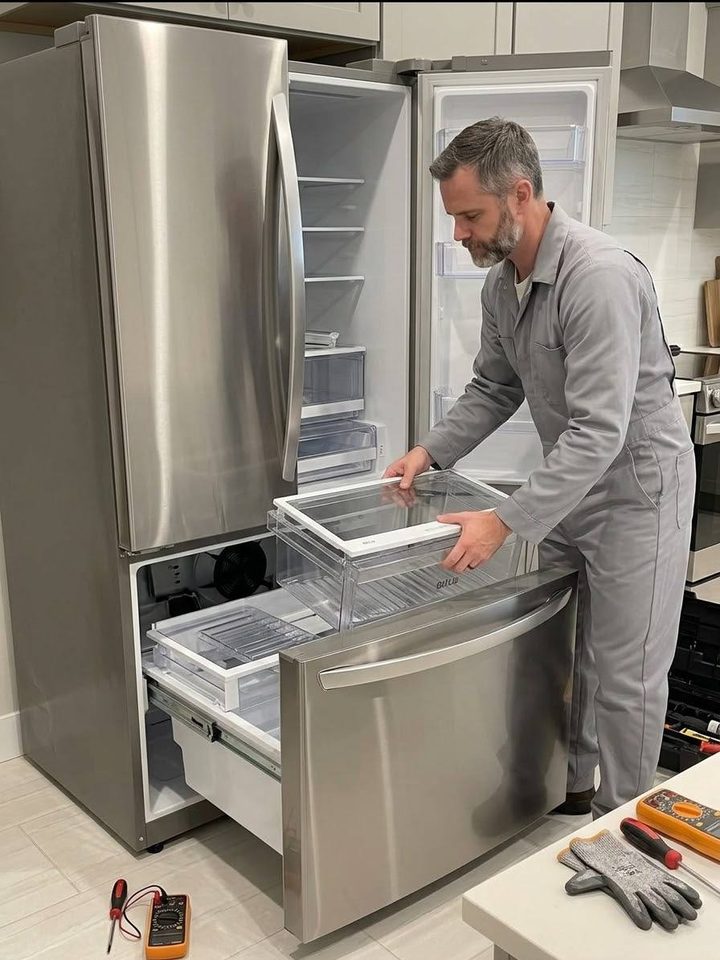
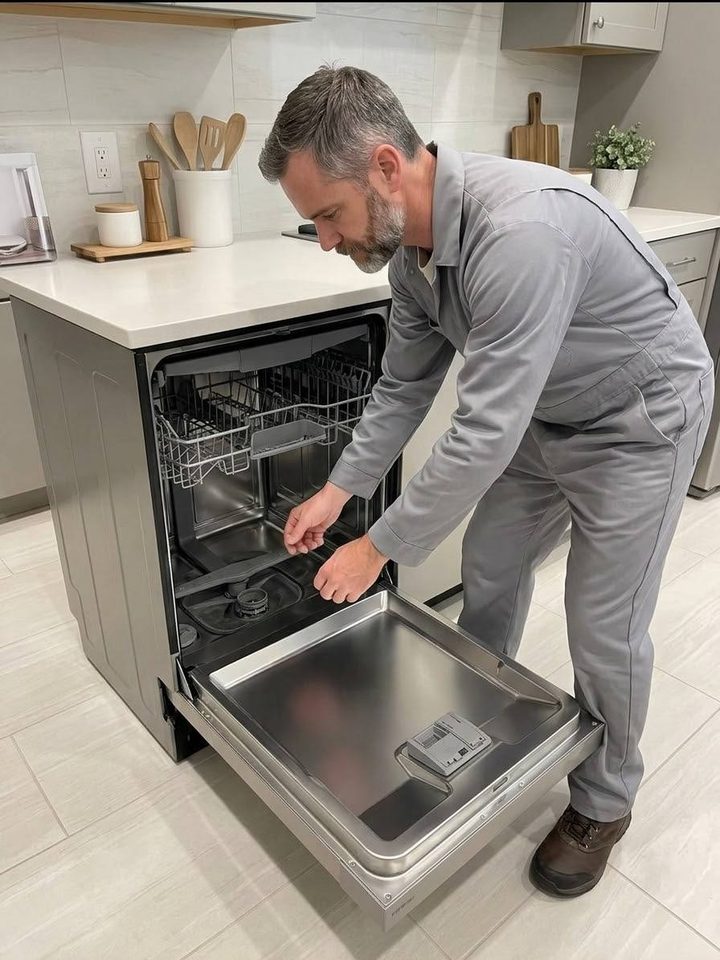
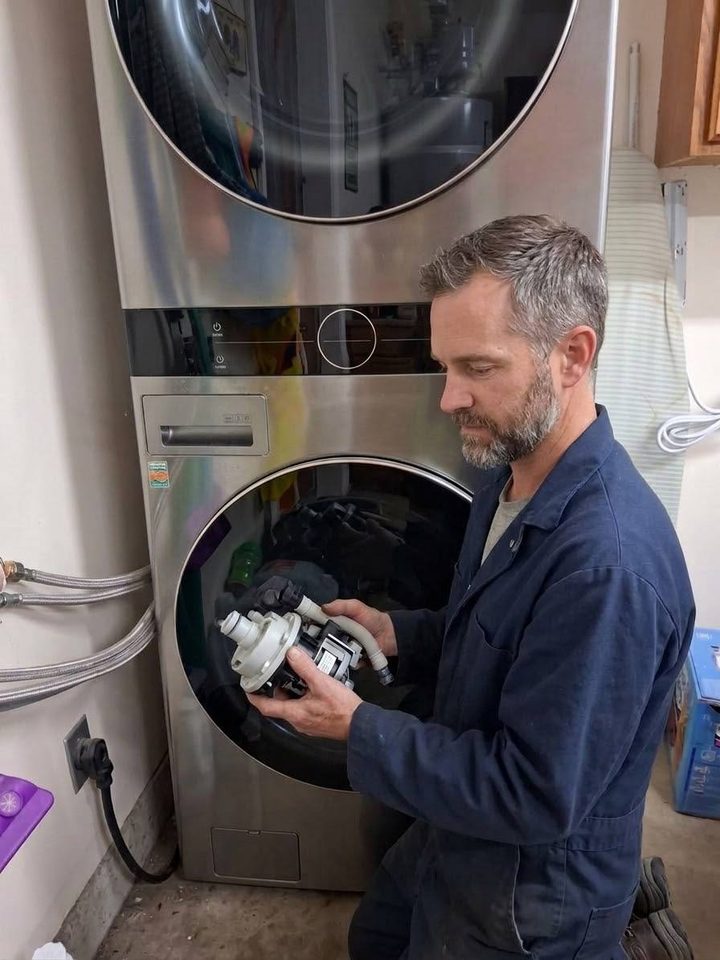
House calls, as they actually look.
No stock heroics — panels off, meter out, the day's patients on the bench. This is the work the from-price buys.
Port Orchard Appliance Doctor was built on a simple observation: appliance repair goes wrong at the bill, not at the bench. So the practice fixed the bill first.
The practice operates from Wendell Ave SE in Port Orchard and makes house calls across seven Kitsap communities on planned weekday rounds. The operating principles fit on a page — here they are, unabridged.
No component gets named until it's measured. Panels come off, the meter comes out, and the machine runs its cycle under observation where the fault demands it. Guess-and-replace is the most expensive medicine in this trade precisely because it looks cheap at the start — a practice that measures first spends your money on the disease, not on the differential.
The published from-price buys the visit, the diagnosis and every hour of repair labor. A part — when one is truly needed — is written as its own line, at its own price, signed by you before it's fitted. The split isn't bookkeeping pedantry; it's incentive surgery. A practice whose labor money is fixed has no reason to prescribe the dearer part, and a patient who signs the parts line never meets a surprise on the invoice.
Some machines aren't worth their treatment, and the $90 stop-at-diagnosis figure exists so we can say so profitably enough to keep saying it. A meaningful share of exams end with a written recommendation against our own service — replace it, claim the factory warranty, call an electrician. Those charts are the practice's best advertising, because they're the reason the other verdicts can be believed.
Monday through Friday, the van leaves Wendell Ave loaded for the day's actual intake — the complaints gathered at booking decide the parts on board. Planned rounds are why windows hold, why most treatments close in one visit, and why the ones that genuinely need a second trip have it priced in from the start rather than invoiced as an afterthought.
Phone or form: the machine, the complaint, the history. The van loads for the likely diagnosis before it leaves Wendell Ave.
Panels off, meter out, a full working cycle observed where the fault demands it. No part is named before it's measured.
Finding, prescription and price in writing: from-price for the visit and labor, any part as its own approved line.
Most repairs close the same visit from van stock. Warranty terms print on the invoice — paper, not promises.
The home ward — the practice lives on Wendell Ave SE, minutes from most doors.
Across Sinclair Inlet; basement laundries and rental turnover keep rounds busy.
The far-north run — Liberty Bay damp, Viking-town kitchens, paired with Silverdale days.
No stock heroics — panels off, meter out, the day's patients on the bench. This is the work the from-price buys.
The intake is the first half of the diagnosis — the machine, the complaint and your ZIP decide what rides on the van. A weekday callback confirms your window.
The from-price covers the visit, the diagnosis and every hour of repair work. It's published before you call.
A needed part is written up separately and signed before it's fitted. Stop at the diagnosis instead and $90 is the whole bill.
A single call books the window; the written chart does the rest — (360) 717-8956.