THE DOCTOR ON ROUNDS
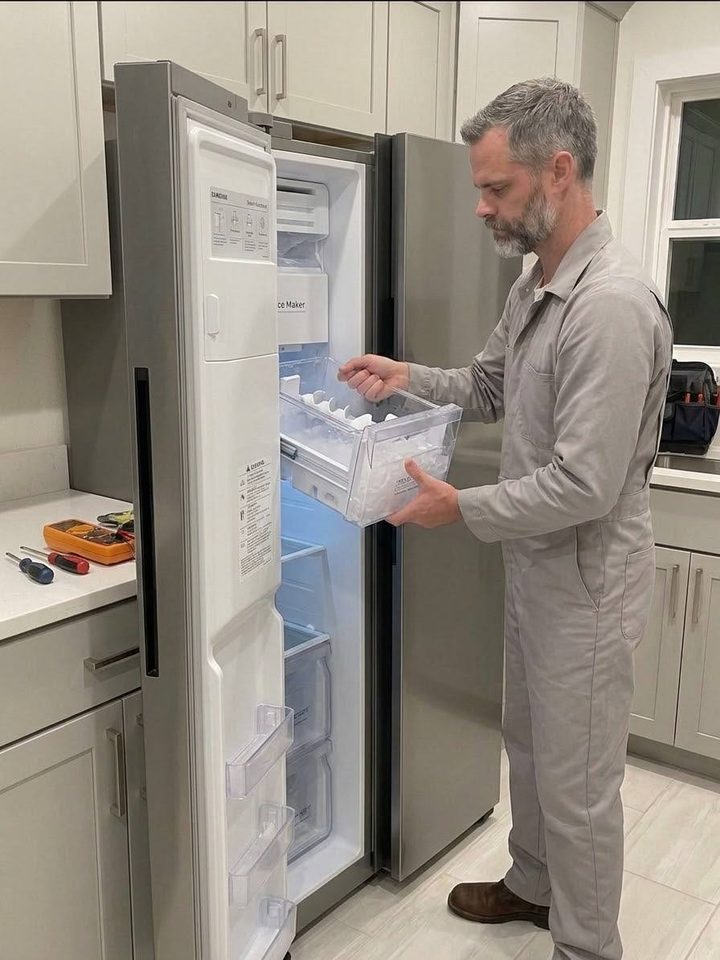
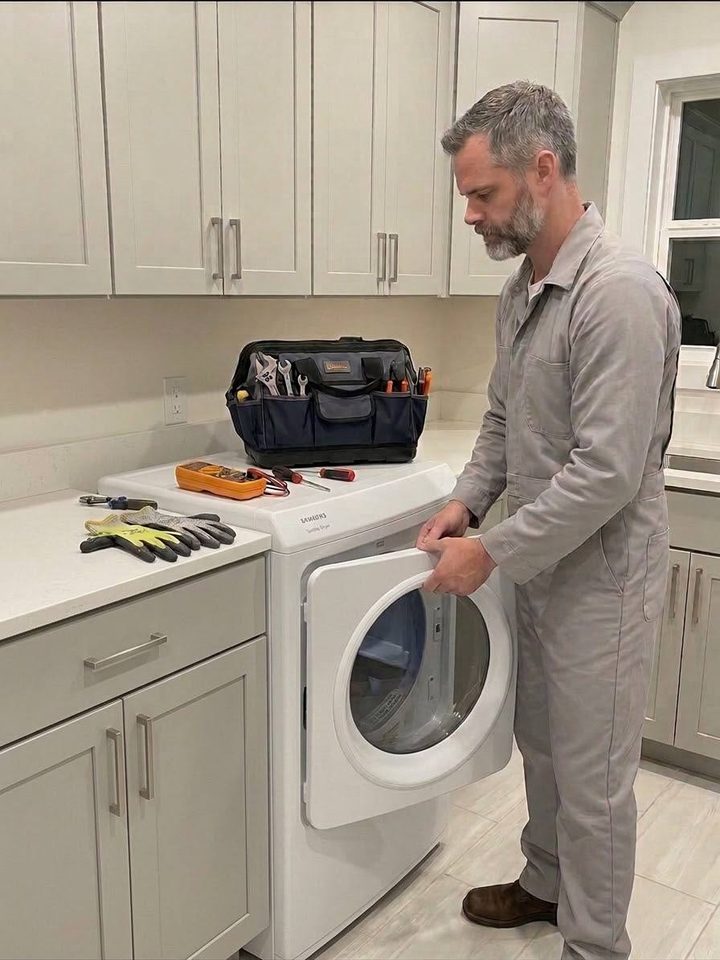
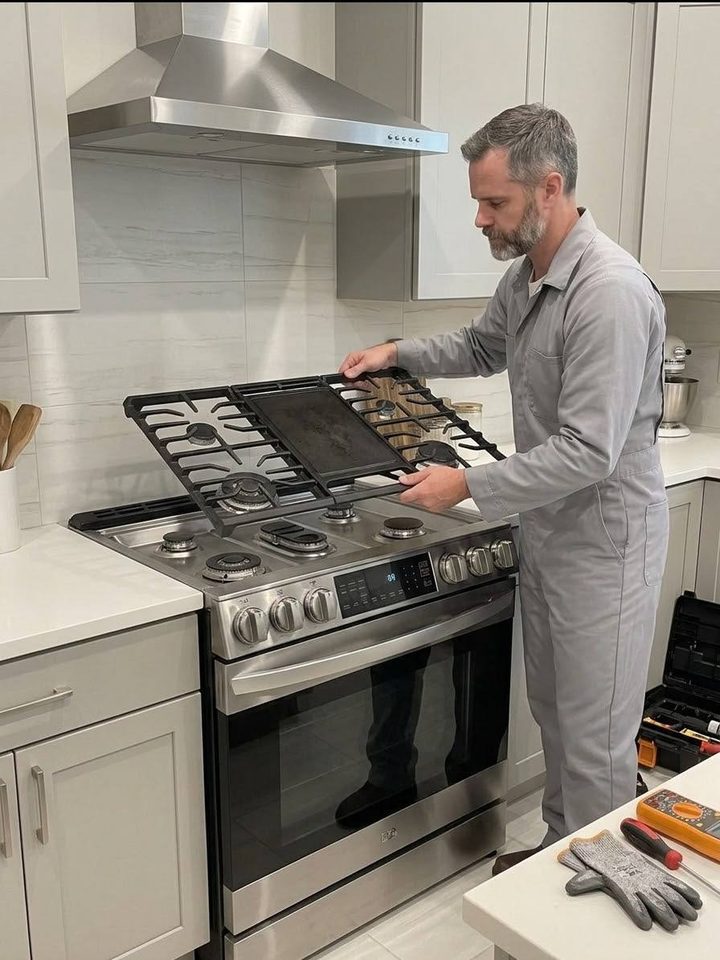
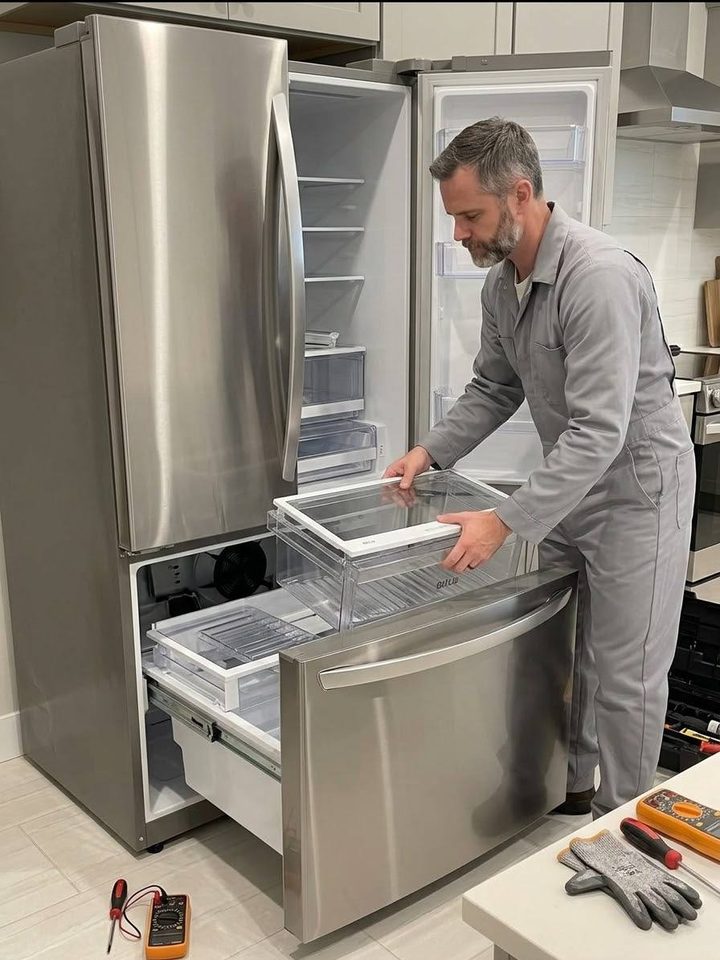
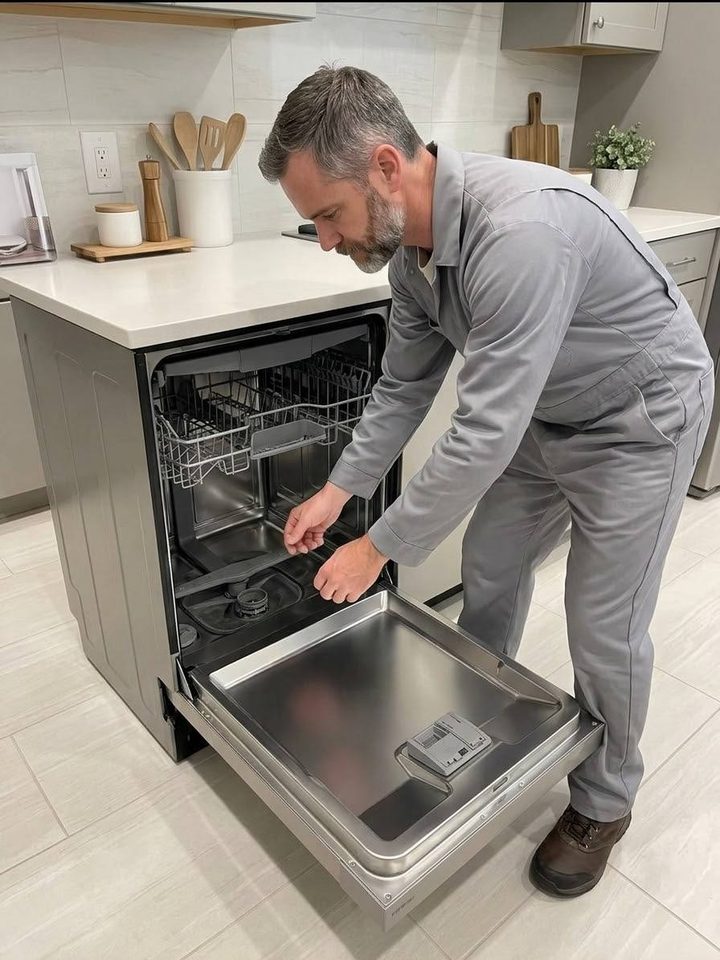
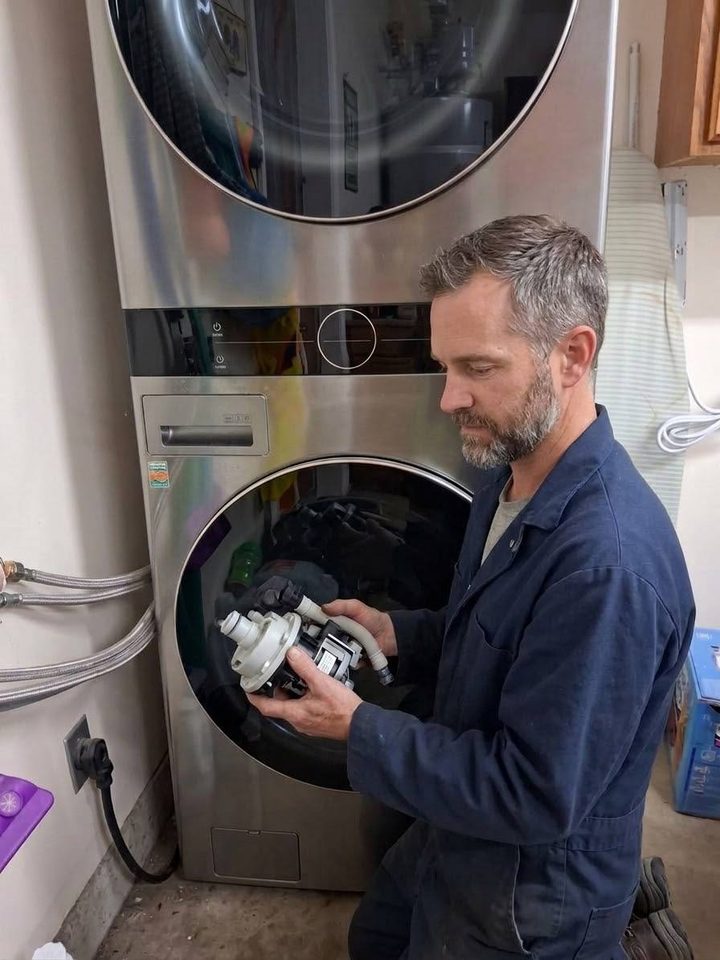
House calls, as they actually look.
No stock heroics — panels off, meter out, the day's patients on the bench. This is the work the from-price buys.
Machines don't get looked up by part number — owners type what the thing is doing. So these files are organized by complaint: probable causes ranked, the harmless self-checks worth attempting, and the exam-plus-labor figure stated before anyone books anything.
Causes ranked by probability, the self-checks that are safe, and the treatment priced in writing.
Open the patient file →Causes ranked by probability, the self-checks that are safe, and the treatment priced in writing.
Open the patient file →Causes ranked by probability, the self-checks that are safe, and the treatment priced in writing.
Open the patient file →Causes ranked by probability, the self-checks that are safe, and the treatment priced in writing.
Open the patient file →Causes ranked by probability, the self-checks that are safe, and the treatment priced in writing.
Open the patient file →Causes ranked by probability, the self-checks that are safe, and the treatment priced in writing.
Open the patient file →Causes ranked by probability, the self-checks that are safe, and the treatment priced in writing.
Open the patient file →Causes ranked by probability, the self-checks that are safe, and the treatment priced in writing.
Open the patient file →No stock heroics — panels off, meter out, the day's patients on the bench. This is the work the from-price buys.
The intake is the first half of the diagnosis — the machine, the complaint and your ZIP decide what rides on the van. A weekday callback confirms your window.
The from-price covers the visit, the diagnosis and every hour of repair work. It's published before you call.
A needed part is written up separately and signed before it's fitted. Stop at the diagnosis instead and $90 is the whole bill.
These are the frequent flyers, not the whole waiting room. Describe yours and it gets the same exam.