THE DOCTOR ON ROUNDS
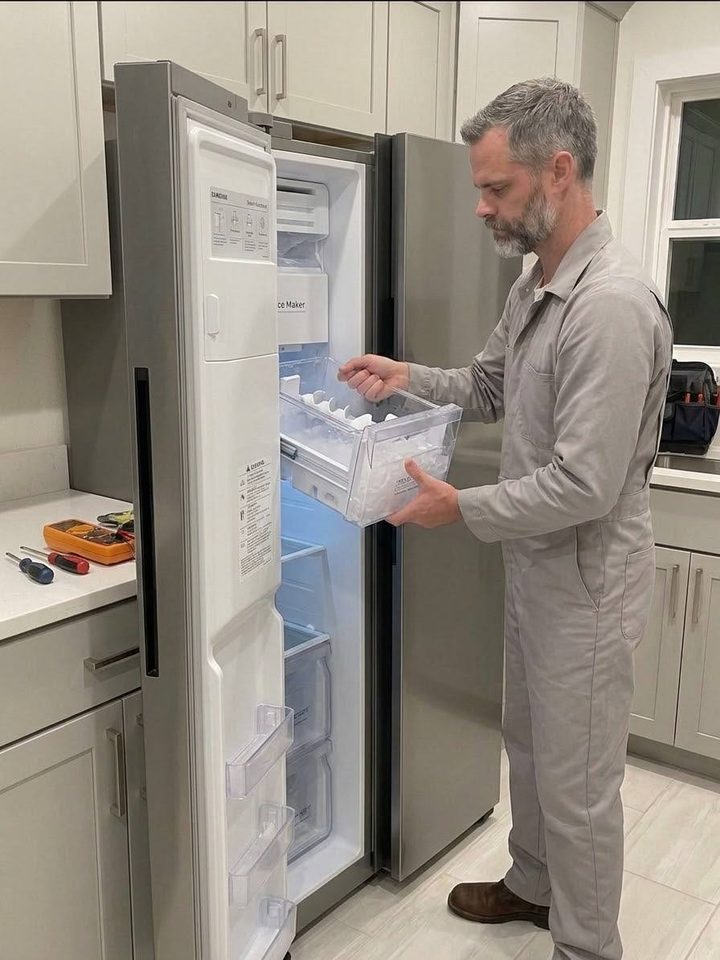
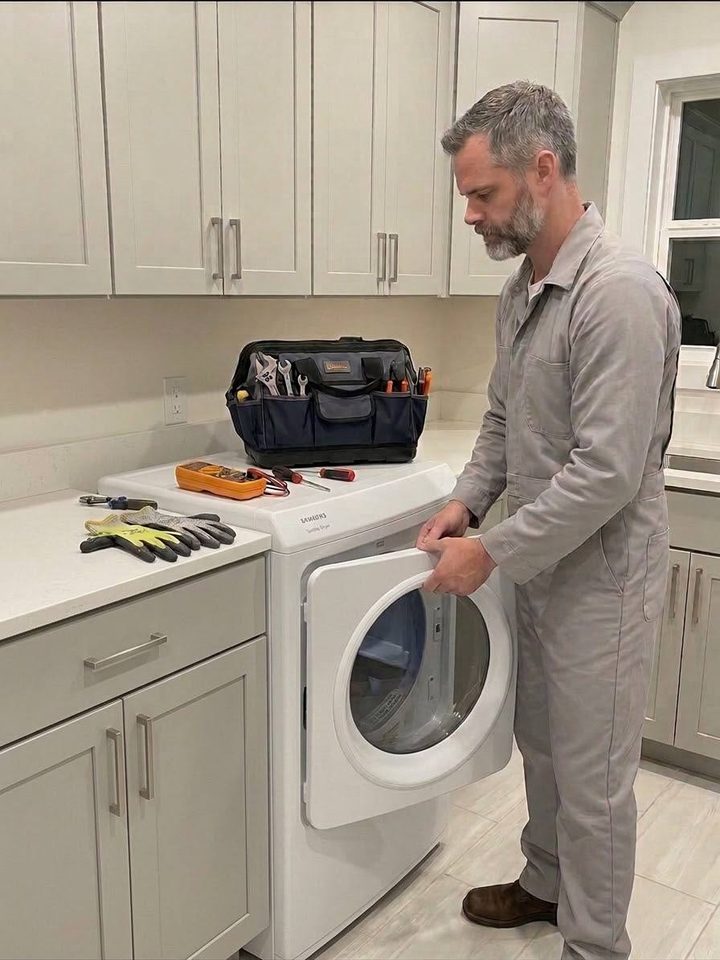
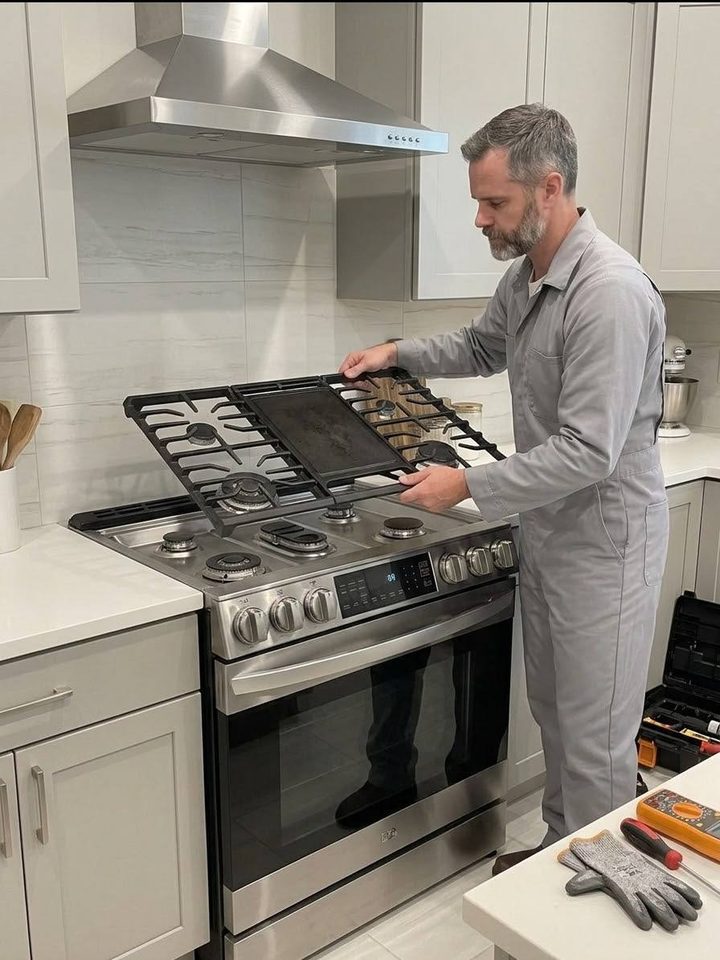
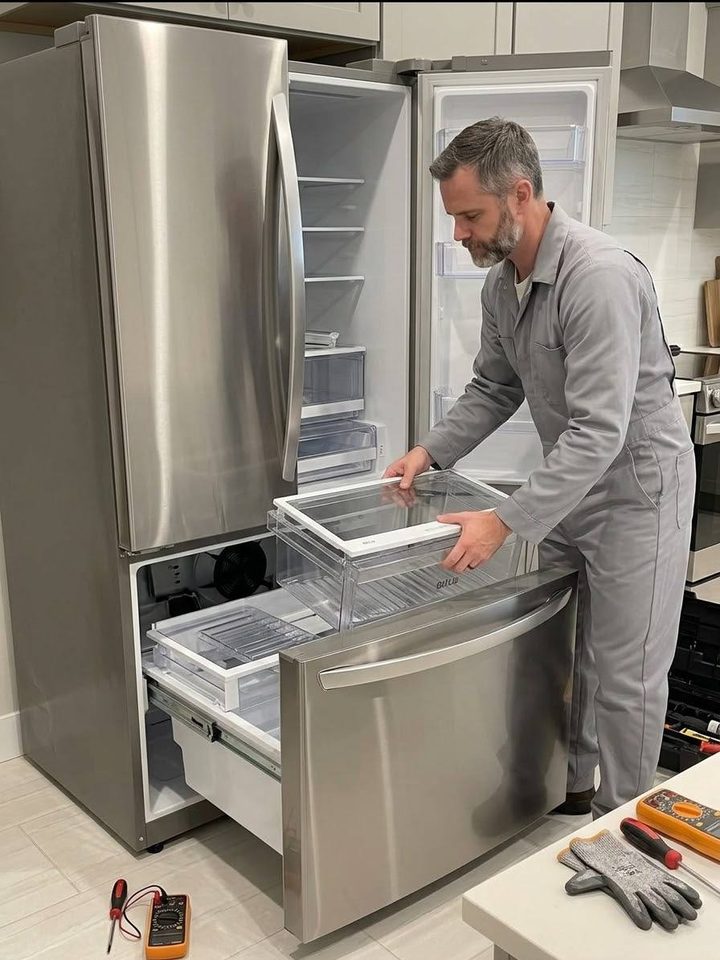
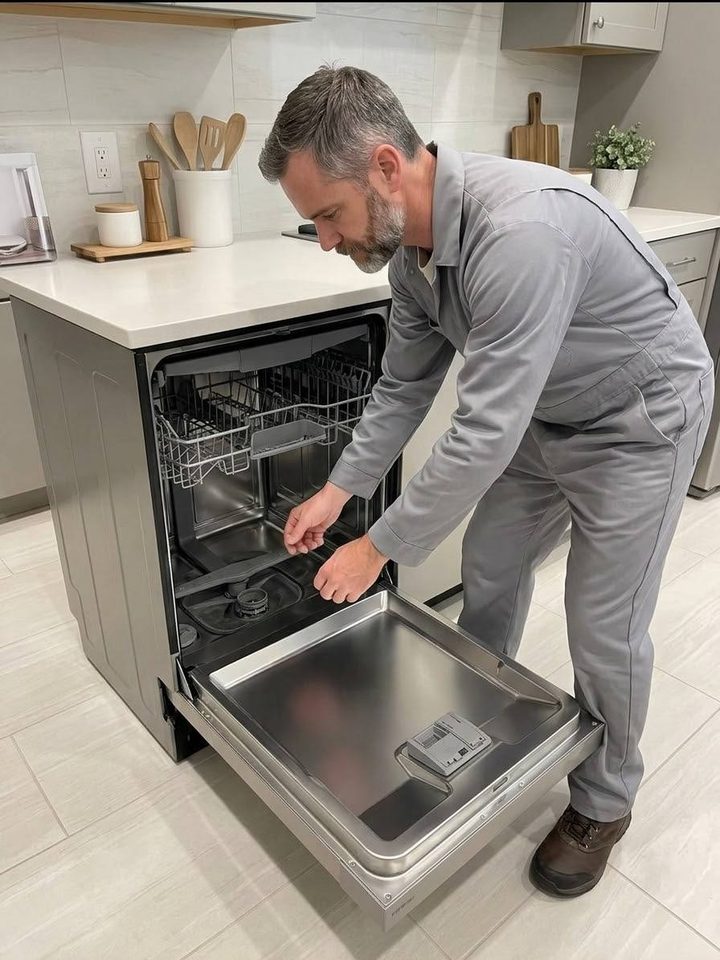
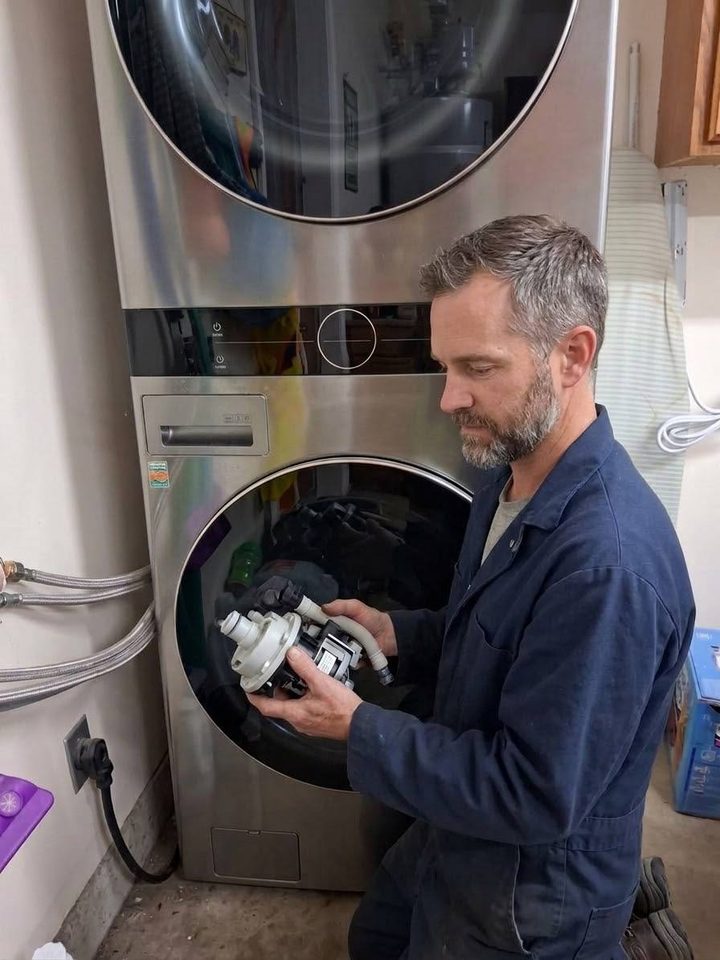
House calls, as they actually look.
No stock heroics — panels off, meter out, the day's patients on the bench. This is the work the from-price buys.
An oven that won't heat on a Sunday afternoon is a household emergency of its own class, and it's also where guesswork costs the most: the four usual suspects span a tenfold price range, and two of them imitate each other almost perfectly. This complaint gets a meter, never a hunch.
Electric and gas fail differently but equally legibly. Electric heat dies at the element, the relay or the sensor's lies; gas heat dies at an igniter that still glows while no longer glowing enough. Both stories yield to measurement inside the hour.
An oven thermometer through one full cycle turns 'bakes weird' into data: a constant offset implicates the sensor; erratic swings implicate the control board.
Electric: does the bake element glow evenly? Gas: does the igniter glow at all, and does flame ever follow? The observation routes the exam.
Post-outage clocks and accidental control locks disable more ovens than anyone admits. Thirty seconds of dial-checking costs nothing.
The exam walks the heating chain with instruments: element continuity, igniter current draw against the valve's threshold, sensor resistance against spec, board outputs where everything else survives scrutiny. The chart names the convicted link with its reading attached — evidence, not opinion.
Treatment from $287 with all labor inside. Elements and igniters fit the same visit from van stock on common platforms; sensors prescribe cheap; the rare board case gets quoted straight with the cheaper rungs already ruled out in writing.
A useful asymmetry: shared systems are fine and suspicion narrows to the bake element or its relay. It usually shortens both the exam and the bill.
Most oven treatments close in one visit inside two hours. Cooling emergencies outrank ovens on the schedule, but weekday windows stay honest.
Almost never. The cycle's extreme heat is a stress test that claims fuses, latches and marginal boards monthly. The exam knows exactly where to look after one.
Causes ranked by probability, the self-checks that are safe, and the treatment priced in writing.
Open the patient file →Causes ranked by probability, the self-checks that are safe, and the treatment priced in writing.
Open the patient file →Causes ranked by probability, the self-checks that are safe, and the treatment priced in writing.
Open the patient file →No stock heroics — panels off, meter out, the day's patients on the bench. This is the work the from-price buys.
The intake is the first half of the diagnosis — the machine, the complaint and your ZIP decide what rides on the van. A weekday callback confirms your window.
The from-price covers the visit, the diagnosis and every hour of repair work. It's published before you call.
A needed part is written up separately and signed before it's fitted. Stop at the diagnosis instead and $90 is the whole bill.
From $287 for the exam and labor. Call (360) 717-8956 or send the intake form.